Stings feel different when you are managing a household with toddlers, curious grade schoolers, and a dog who thinks every buzzing thing deserves to be chased. The goal is not to wage war on all flying insects. It is to lower risk in the places your family actually lives, plays, and walks barefoot. Good bee and wasp control blends identification, prevention, and deliberate response, with respect for pollinators and a clear margin of safety for children and pets.
Why stings happen where families gather
Playsets, porch railings, fence lines, soffits, and deck undersides all give wasps the sheltered attachment points they prefer. Flowering shrubs by front steps pull foragers right to eye level. Recycling bins with a film of soda, fruit peels in the compost, and open dog bowls invite yellowjackets through the hottest months. Even the sandbox matters, because some solitary bees and yellowjackets nest in bare, compacted soil.
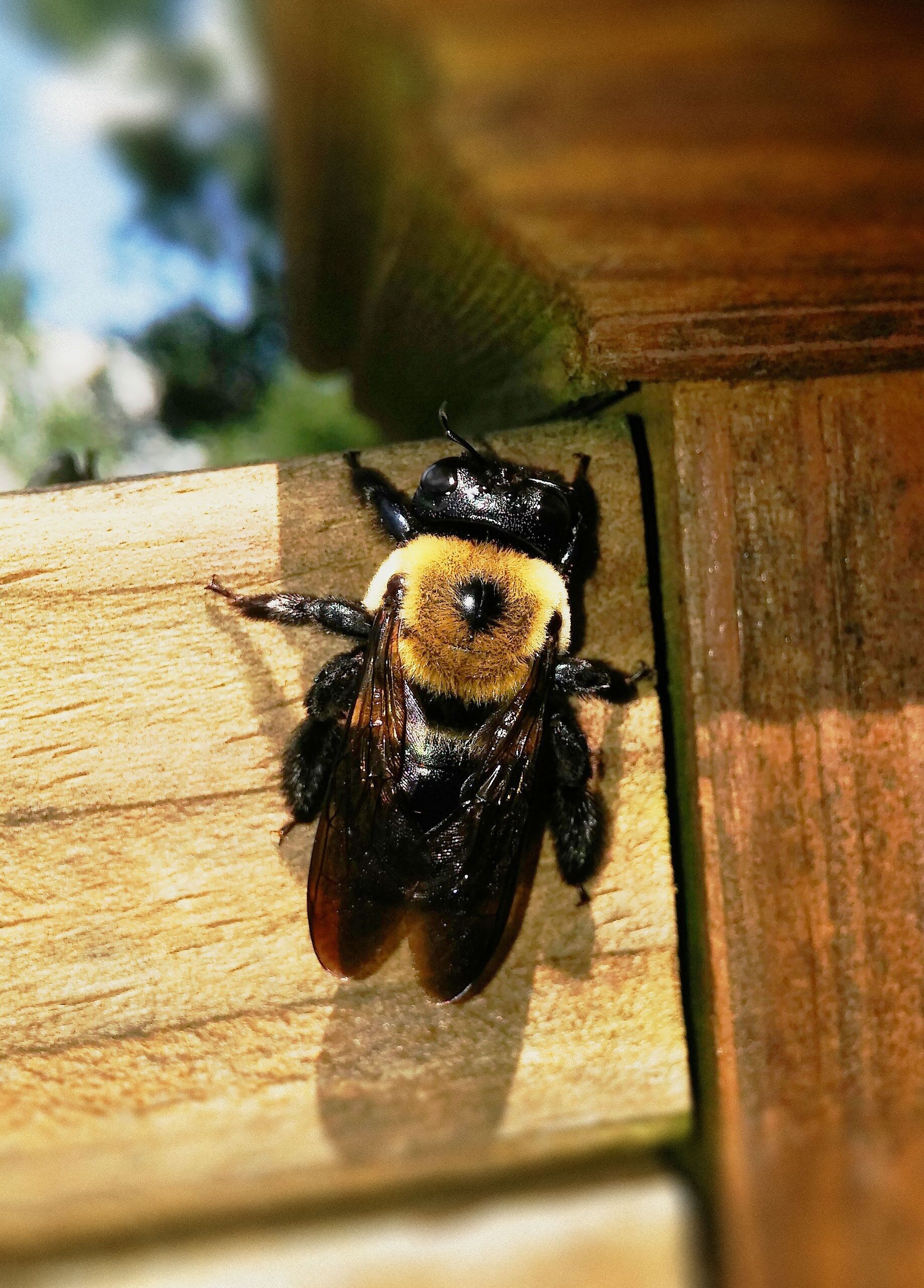
Most stings around homes come from wasps, not honey bees. Paper wasps patrol eaves and deck railings. Yellowjackets work the ground, voids in walls, and outdoor eating areas. Hornets, a type of wasp, protect aerial football shaped nests in trees and on structures. Honey bees sting mostly when defending a hive or when crushed. Carpenter bees rarely sting, but their hovering near head height frightens kids and dogs, and their boring weakens trim over time.
If you keep the attractants low and the structure inhospitable for nesting in the first place, you avoid emergencies. When nests do appear, the safest approach depends on the species, size and age of the nest, and how close it is to daily family traffic.
Know the players, then plan
Families do better with a few solid identification cues rather than encyclopedic detail. Paper wasps are slim, with long dangling legs when in flight, and their open umbrella nests show visible hexagonal cells under eaves, play structures, and deck furniture. Yellowjackets are more compact and intensely patterned in black and yellow, and they often vanish into a single hole in the ground or a tiny opening in siding. Bald faced hornets, actually large black and white wasps, build closed gray paper nests shaped like a teardrop hung from trees or high eaves. Carpenter bees look like big bumble bees with shiny black abdomens. They drill perfect round holes in unpainted or weakly sealed wood, then tunnel along the grain.
These habits drive the control strategy. Paper wasps on a high soffit can be managed with careful, off hours treatments and sealing future anchor points. Yellowjackets in the ground near a swing set call for a different protocol, because nighttime play dates with a flashlight carrying adult might accidentally trample the entrance. Carpenter bees demand both sealing and surface treatment to deter reinfestation, what most pros think of as carpenter bees control rather than a one and done removal.
The calendar still matters
Spring brings queen activity and the earliest paper wasp nest starts under sheltered ledges. Early summer is when small nests can be intercepted before they grow. Late summer through fall, populations peak and yellowjackets shift into high protein scavenging. The risk to picnics and pets spikes then. On warm fall afternoons, a dying wasp colony can seem to flood the yard, because workers are stressed and food is scarce.
Families who schedule yard projects around these cycles get fewer surprises. A fresh coat of exterior paint or sealant before spring nesting, moving trash storage away from the back door in midsummer, and closing up dog food aromas as the nights cool, all steer behavior in your favor.
A family safety baseline that travels with you
A little kit by the back door can turn a scary moment into a manageable pause. Keep it simple and consistent so babysitters and grandparents can use it without overthinking.
- A credit card or stiff plastic card for scraping out stingers A small bottle of liquid antihistamine and children’s dosing chart A cold pack or wrapped ice for swelling A fine tip tweezers and flashlight Your pediatrician and veterinarian contact numbers
Talk through a calm script with kids: walk away, meet at the back steps, tell an adult, then the adult checks the spot and handles the pet. Dogs love to find the trouble again, and cats will try to swat. Leash or crate them for a half hour if there is active wasp traffic.
Small daily habits that actually reduce nests
Fancy gadgets draw attention, but the quiet work is in maintenance and access control. Five practical habits produce outsize results.
- Seal or caulk gaps under soffits and where utility lines enter Paint or seal raw wood to discourage carpenter bees Keep trash lids tight, rinse recycling, and move bins away from doors Water compacted play areas lightly and mulch bare soil to deter ground nesting Bring pet food and sweet drinks inside when not in active use
Across many yards, those five actions shift nest placement from the doorway to the far fence line. You still share the property with stinging insects, but you steer them away from little feet and paws.
What to do when you find a nest
Stop and watch for a minute. Where is the entrance, how high, how many workers, and how close to where kids and pets actually move? If you see an open umbrella of cells with a few wasps under a handrail or chair, that is a small paper wasp start. You can relocate the furniture to a low traffic area and make a plan. If you see many wasps entering a single hole in the ground within 15 feet of a swing, change outdoor plans for the day.
Treating at dusk or after dark lowers traffic and agitation. Surface sprays and aerosols have their place for small accessible paper wasp nests, but soaking visible wasps without reaching the anchor point is a temporary fix. Ground yellowjacket work calls for highly targeted dusts placed right at the entrance so returning workers carry it inward. Hornet nests high in trees are for professionals. Homeowners who spray from the ground may only wet the outer paper, while workers boil out in low light.
For families, the rule of thumb is simple. If you can reach it easily, identify it confidently, and can keep kids and pets away for at least a day while residues settle, bed bug control a small do it yourself approach might work. Anything larger, hidden in structure voids, or near daily paths deserves a professional plan.
A note on products and residues around children and pets
Most modern pest control relies on integrated pest management, not a blanket of chemicals. That means physical changes first, then baits or targeted formulations with limited off target risk. Aerosols that blast a nest from several feet away can atomize product into air currents near a deck or sliding door. Dusts stay put if applied correctly inside a void or ground entrance, but loose powder on the surface can get onto a dog’s nose. Wettable powders and microencapsulated sprays hold well on siding and soffits when applied to dry, clean surfaces, then allowed to dry fully before re entry.
Families often ask about “natural” options. Plant oil based products can repel foragers briefly and can help with paper wasp exclusion on surfaces, but they are not substitutes for a sealed eave and a well timed nest treatment. Soap and water will kill individual wasps, but there is no residual and it will not neutralize a busy yellowjacket colony. The safest plan is a precise application, in the right spot, at the right time of day, followed by cleaning and sealing the anchor point.
Special cases that trip up even cautious homeowners
Carpenter bees are gentle but persistent. A single female can excavate a foot or more of gallery in a season. Over years, fascia boards, cedar pergolas, and unsealed swing sets look like Swiss cheese. A carpenter bees control strategy pairs two steps. First, a labeled residual in the galleries to stop current activity. Then, after the flight season, plug holes with wooden dowels and exterior wood filler, prime, and paint. Skipping the residual and only plugging holes often pushes bees to start new holes inches away.
Ground nesting yellowjackets under trampolines or near the dog’s favorite path become emergencies quickly. Watch for a steady in and out flight line to a small opening. Mowing over the entrance will provoke aggressive defense. If you must mark it before a service visit, place a stake or cone ten feet away and keep pets inside during the day, because traffic is highest in sunlight.
Paper wasps on play sets come back to the same hardware edges each spring. A quick preseason check and a light application to screws and undersides of rails in early morning can break the cycle. If the play set is older, tightening loose boards and replacing splintered pieces closes the sheltered angles wasps love.
How Domination Exterminations stages a kid and pet safe service
Every company has its rhythms, but the baseline for family yards looks similar in careful hands. Technicians with Domination Exterminations start with a clear walkthrough focused on child and pet zones. That means removing dog bowls, flagging sandbox edges, and confirming which doors your family actually uses. Quiet observation comes next. A tech will stand still and watch for two to five minutes to map flight lines and differentiate a small paper wasp start from a mature yellowjacket nest in a wall void.
Treatments are timed to when traffic is low, typically early morning or dusk. For high paper wasp activity under soffits, a targeted application to the nest and surrounding anchor points does the heavy lifting. For ground yellowjackets, a labeled dust is placed carefully into the entrance so it is drawn inward, not broadcast across the lawn. If carpenter bee galleries are present, each is probed, treated, and flagged for later sealing. Before leaving, the tech cleans up nest remnants on accessible surfaces so kids do not bat them like piñatas later, then walks the perimeter with you to identify small repairs that will cut down next season’s nests.
When a call to Domination Exterminations is the safer move
Some families try to manage small paper wasp starts alone and then hand off the rest. That division works fine until a nest hides inside a railing cavity, right by the stairs you use ten times a day. Domination Exterminations gets called most often when a nest is either out of reach, inside a structural void, or too close to kid and pet traffic to gamble on a misstep. Another pattern is the fall surge of yellowjackets around recycling and compost, where baits and sanitation advice can shift the whole environment without heavy sprays.

You can reduce surprises by setting a standing spring check, ten to fifteen minutes, where a tech inspects eaves, play sets, pergolas, and fence lines. You still may see a late season start, but the large colonies that cause drama are far less likely. Families who have a dog that patrols fence tops or a cat that watches from the porch railing benefit from proactive control, because those pets tend to investigate new nests before you notice them.
Field notes from family yards
One August, we walked a property where the only sting victim had been the family retriever. In the play area, nothing obvious showed. The culprit turned out to be a ground yellowjacket nest tucked in a hard packed corner where the sprinkler never quite reached. The dog would take the same route each afternoon, step in the soft edge of the entrance, and get pursued. A precise dusk dusting neutralized the colony within a day, but the longer term fix was as simple as breaking up the compacted soil and mulching that corner. That minor landscape adjustment prevented a repeat for three summers.
Another case, a pergola over a patio with peeling stain, gave carpenter bees the perfect canvas. The family had plugged holes with caulk in spring, which concentrated new boring in fresh spots. After a careful gallery treatment and a late fall restoration, a solid primer and finish coat kept bees in the flower beds where they belonged, not in structural members over the dining table.
Fitting bee and wasp control into a broader pest control plan
Families often handle problems piecemeal, then realize the issues feed each other. Overflowing bird feeders do not only draw yellowjackets, they also pull mice and rats that find the droppings and spilled seed. That triggers rodent control needs. Sweet drink spills and recycling film attract ants early, then yellowjackets later, so a season long sanitation routine supports ant control and bee and wasp control at the same time. Overwatered lawns with puddling encourage mosquitoes, and a kid who runs inside swatting may carry wasps through open doors, pushing spider control needs upward as indoor prey increases.
A professional who looks at the whole picture can help. Light modifications at the trash station, sealing utility penetrations that double as ant highways and yellowjacket entrances, and timed vegetation trimming to lower spider harborage combine to reduce emergency calls. Bed bug control sits outside of this outdoor calculus, but the habits you build for inspection and early reporting carry over. Cricket control near basements also reduces surprise predators that follow them.
Managing risk around allergies and toddlers
If any family member has a known sting allergy, set a conservative line for what you attempt yourself. Keep epinephrine auto injectors where adults can reach them fast. Consider pre season professional checks each spring and mid summer. Kids under four do not assess risk well, and toddlers grab first, scream second. If a nest sits at their eye level, assume contact unless you physically block the area.
Pets complicate the picture because they treat wings as toys. Dogs tend to take stings on the lips and paws, and will paw their faces after. Cats get stung on paws and noses. Plan for a quiet indoor space with water and low light where you can confine them for an hour after a known sting event. Your veterinarian can advise dosing for antihistamines ahead of time.
Communication beats equipment
You can buy every trap on the aisle and still have a mess if the sitter props the back door open with a box and leaves the lemonade on the table. Show new caregivers your safety baseline. Where the kit sits, which door to use, what to do if they see a gray paper ball in the maple tree or a steady stream of wasps into a ground hole. Mark the highest risk spots with memory aids, like a bright ribbon on the fence near a known nest area until it is cleared.
Yard crews and contractors bring their own risk. Leaf blowers knock paper wasp nests down and seed angry wasps across a patio. Mowers run over ground nests. A quick heads up to workers prevents surprise stings, and often prevents a small nest from becoming a big one, because someone noticed it before it matured.
Materials and building choices that tip the balance
Smooth, well painted or sealed surfaces give wasps fewer footholds and carpenter bees fewer cues. In new work, consider composite materials for pergolas and railings in areas where stinging insects have been a persistent headache. For older wood, a schedule of light sanding and repainting, especially under horizontal members, keeps fibers tight. Stainless steel screens on attic vents should be snug and free of tears. Gaps as small as a pencil can invite exploration by paper wasps in spring scouting.
Lighting also matters. Warm white LEDs attract fewer night flying insects than cool white bulbs. While wasps are daytime fliers, lowering overall night insect density around doors eases the food web that feeds web building spiders, which then draw hungry wasps to easy prey.
When removal is not the right answer
Not every buzzing insect near the yard needs intervention. Solitary native bees on a patch of ground away from foot traffic pollinate your garden and pose little risk. If you can route play away for a couple of weeks, their nesting ends naturally. Honey bee swarms resting on a shrub for a few hours are usually in transit. A local beekeeper may relocate them if they linger. Disturbing either, especially with aerosol sprays, creates unnecessary risk and reduces pollination in your neighborhood.
A reasonable filter is proximity and predictability. If the activity sits in a corridor children and pets use daily, manage it. If it is at the far edge and short lived, document and let it pass.
The practical finish line
A family friendly bee and wasp control plan puts the heavy effort in prevention and clear protocols, not in panic treatments. Identify the usual suspects in your yard, seal and paint surfaces before spring, keep food odors contained, and map how kids and pets actually use the space. When nests do appear, match response to species and setting, with time of day and re entry windows that put safety first.
Where the risk or access level climbs, bring in a pro who works with family rhythms. Teams like Domination Exterminations will watch the yard the way you live in it, not as a blank blueprint, and will use targeted treatments that quiet hot spots without leaving residues where children and pets spend their time. The goal is a yard where kids can forget about stings, and dogs can nap in the shade without picking a fight with what hums.
Domination Extermination
10 Westwood Dr, Mantua Township, NJ 08051
(856) 633-0304